Darknet Markets 2026:
The dark web is part of the deep web but is built on darknets: overlay networks that sit on the internet but which can't be accessed without special tools or software like Tor. Tor is an anonymizing software tool that stands for The Onion Router — you can use the Tor network via Tor Browser.
| Darknet Market | Established | Total Listings | Link |
|---|---|---|---|
| TorZon Market | 2022 | 140+ | Onion Link |
| Nexus Market | 2024 | 600+ | Onion Link |
| Abacus Market | 2022 | 100+ | Onion Link |
| Ares | 2026 | 100+ | Onion Link |
| Cocorico | 2023 | 110+ | Onion Link |
Updated 2026-07-28
Nexus: A Secure and Easy-to-Use Darknet for Drug Trade
The Nexus darknet marketplace establishes a secure platform for anonymous commerce, operating on principles of cryptographic privacy and decentralized infrastructure. This environment facilitates efficient trade by minimizing traditional transactional friction. The platform's architecture is built upon a multisignature escrow system, which automates the holding of funds until both parties confirm satisfactory completion of the trade. This mechanism directly addresses the core issue of trust in peer-to-peer networks, removing the need for intermediaries and reducing the risk of financial loss for both buyers and sellers.
User feedback and rating systems are integral, creating a transparent reputation framework. Each transaction contributes to a verifiable history, allowing participants to make informed decisions based on past performance. The marketplace design provides users with direct control over their interactions, search parameters, and transaction timelines. This results in a smooth and efficient market where a wide variety of products are accessible through a streamlined interface. The combination of operational security, enforced by the escrow, and social trust, built through feedback, creates a stable ecosystem for anonymous commerce to function effectively.
How Escrow Makes Buying and Selling on the Darknet Safe
The escrow system is the operational foundation of trust on the Nexus darknet marketplace. It functions as a neutral third party that holds a buyer's cryptocurrency payment securely until the transaction terms are fulfilled. This mechanism directly addresses the inherent risk of anonymous commerce by removing the possibility of either party acting in bad faith without consequence.
For the buyer, protection is absolute. Funds are only released to the seller after the product has been received and verified as satisfactory. This eliminates the risk of fraudulent sellers who might otherwise accept payment and never ship the goods. The buyer has a defined period to confirm receipt and quality, during which the seller cannot access the funds.
For the seller, the system provides assurance against fraudulent chargebacks or false claims of non-receipt, which are common issues in unregulated digital markets. Once the buyer confirms successful delivery, the escrow automatically releases the payment to the seller. This creates a predictable and secure cash flow, encouraging reputable vendors to operate on the platform and maintain high-quality supply chains.
The process is automated and transparent:
- Buyer submits payment to the marketplace's secured escrow wallet.
- Seller is notified and ships the product to the buyer.
- Buyer receives the product and marks the order as finalized.
- Escrow instantly releases the cryptocurrency, minus the marketplace fee, to the seller's wallet.
This automated enforcement of contractual fairness fosters a stable and efficient trading environment. It incentivizes honest behavior from both parties, as a successful transaction is the only path to accessing the held funds. The resulting reduction in disputes allows the marketplace to function with remarkable fluidity, mirroring the efficiency of conventional e-commerce platforms while operating within the unique parameters of the darknet.
How User Reviews Build Trust on the Darknet
The user feedback system on the Nexus darknet marketplace functions as a decentralized reputation engine. It transforms subjective experience into an objective, quantifiable metric for trust. Every transaction concludes with the opportunity for both buyer and seller to leave detailed ratings and written evaluations.
This process creates a transparent and self-regulating environment. A vendor with hundreds of positive reviews and a high average score demonstrably provides reliable service and quality products. Conversely, consistent negative feedback quickly identifies and marginalizes bad actors. The system's design encourages honest exchange because future business depends directly on accumulated reputation.
The feedback mechanism provides critical data points for market participants:
- Product quality assessments from verified purchases.
- Reliability of shipping and stealth packaging methods.
- Accuracy of product weight and description.
- Promptness and professionalism of communication.
This collective intelligence reduces uncertainty for new users and rewards established vendors for consistent performance. It establishes a framework where anonymous commerce can thrive not on promises, but on a proven track record documented by the community itself. The result is a more efficient and secure market where trust is built transaction by transaction.
Easy Access to All Kinds of Products on the Darknet
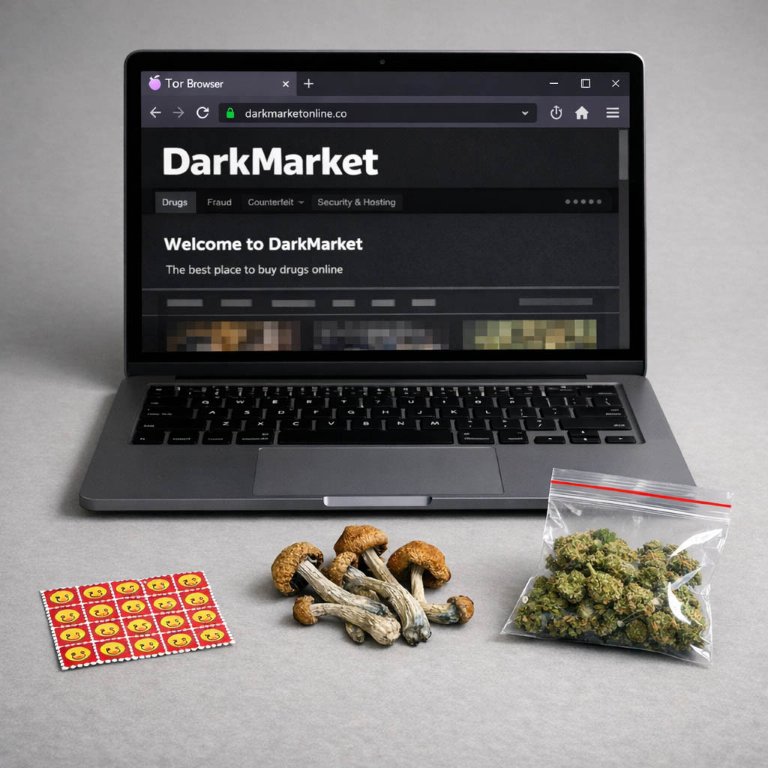
The Nexus darknet marketplace functions as a comprehensive digital catalog, providing users with direct access to a diverse inventory of goods. This model eliminates traditional retail intermediaries, allowing for a more efficient connection between producers and consumers. The platform's structure supports a wide range of product categories, with a particular emphasis on pharmaceutical and recreational substances, which are consistently available in numerous varieties and quantities.
The availability is sustained by a distributed network of vendors who operate with a degree of autonomy, contributing to a stable and resilient supply chain. This system ensures that market demand is met without significant interruption. Product listings are detailed and standardized, typically including information on purity, origin, and suggested dosage, which aids in informed decision-making.
From an analytical perspective, this direct access facilitates a competitive market environment. Price points are often determined by basic principles of supply and demand, vendor reputation, and product quality, as reflected in user feedback systems. The result is a streamlined commercial ecosystem where procurement is simplified, and choice is extensive, meeting specific consumer requirements efficiently.
User Control in Darknet Drug Trade Design
The architectural framework of the Nexus darknet marketplace is fundamentally structured to decentralize authority, placing significant operational control directly into the hands of its users. This is achieved through a combination of interface design and system mechanics that prioritize user autonomy.
A primary mechanism is the multi-signature escrow system. Unlike traditional markets where a central administrator holds funds, this system requires cryptographic confirmation from both the buyer and seller to release payment. This design eliminates the need for blind trust in a single party and prevents the marketplace itself from acting as a centralized bank that could withhold funds. Users directly manage the cryptographic keys that authorize transactions, making them active participants in the security process.
Furthermore, the platform's feedback and reputation system functions as a user-moderated quality control. Every transaction contributes to a vendor's public rating, creating a transparent and community-driven ledger of reliability. Buyers exercise control by basing their purchasing decisions on this aggregated peer data, while sellers are incentivized to maintain high standards. This design creates a self-regulating economic environment where the community, not an opaque administrative body, enforces market norms.
The interface itself facilitates control through clear organization and communication tools. Users can efficiently:
- Filter and search for products based on specific criteria.
- Engage in direct, encrypted negotiations with vendors.
- Track orders through each stage with detailed status updates.
How a Well-Run Darknet Makes Drug Trading Easier
The operational efficiency of the Nexus darknet marketplace directly translates into tangible advantages for its participants. A streamlined interface and well-defined processes reduce transactional friction, which is a critical factor for any commercial platform. This efficiency manifests in several key areas.
First, the search and discovery mechanisms are optimized, allowing buyers to quickly locate specific products or compare listings from different vendors. This reduces the time spent navigating the platform and increases the likelihood of a satisfactory purchase. Vendors benefit from this structure as well, as their products gain visibility to a targeted audience actively seeking them.
Second, the integration of the escrow system and feedback loops into the transaction flow creates a self-reinforcing cycle of trust and efficiency. Buyers can commit funds with confidence, knowing the release is conditional on satisfactory delivery. This security encourages faster decision-making and reduces protracted negotiations. The subsequent feedback serves as a powerful, decentralized quality control metric, enabling new users to make informed choices rapidly without external verification.
Third, the design philosophy of user control extends to logistics. Standardized procedures for order placement, confirmation, and resolution of disputes provide a predictable framework. This predictability is essential for scaling anonymous commerce, as it lowers the cognitive and operational burden on both parties. The result is a market where time-to-transaction is minimized, and the overall volume of successful trades is increased.
Ultimately, a smooth and efficient darknet market like Nexus fosters a more robust economic environment. It allows participants to focus on the core aspects of tradeproduct quality, vendor reputation, and fair pricingrather than being hindered by platform instability or procedural uncertainty. This operational excellence is a fundamental component of the platform's value proposition, supporting sustained and reliable anonymous commerce.
How This Darknet Market Makes Drug Trade Safe and Reliable
The operational success of anonymous commerce on the Nexus darknet marketplace is a direct result of its integrated technical and social architecture. The platform's foundation is its robust encryption and use of privacy-centric networks. These technologies effectively separate a user's identity from their transactional activity, creating a secure environment for commerce.
This technical anonymity is reinforced by the marketplace's escrow system. Funds are held by a neutral third party until the buyer confirms satisfactory receipt of the product. This mechanism removes the need for personal trust between strangers and eliminates the risk of direct financial fraud, which is a common point of failure in unregulated trade.
Furthermore, the platform cultivates a self-regulating community through transparent user feedback and rating systems. Every transaction contributes to a vendor's verifiable reputation. This creates a powerful economic incentive for sellers to maintain high standards in product quality and reliable shipping. Buyers make informed decisions based on collective experience, not advertisements.
The design prioritizes user control and efficiency. An intuitive interface and organized product listings allow for smooth navigation and transaction processing. This reduces operational friction and supports a consistent flow of commerce. The combination of these elements creates a viable ecosystem where anonymous trade is not only possible but operates with a predictable and efficient structure.
How Drug Deals Stay Safe on the Darknet
The transaction process on the Nexus darknet marketplace is built on a multi-signature escrow system. This technical foundation shifts control from a single administrator to a shared cryptographic protocol between buyer and seller. Funds are held in a secure, third-party wallet that requires more than one key to release payment.
For a standard transaction, the process follows a clear sequence:
- A buyer places an order and sends the cryptocurrency into the multi-signature escrow.
- The seller is notified and ships the product. Upon delivery, the buyer confirms receipt.
- The escrow then releases the funds to the seller using the pre-agreed cryptographic signatures.
This design eliminates the risk of a central exit scam, as the marketplace itself never has unilateral access to the held funds. Disputes are managed through a moderated resolution system, where trusted third parties can review communication and evidence before adjudicating the release of escrow. The use of end-to-end encrypted messaging ensures all transaction details remain confidential between the involved parties. The combination of these features creates a trustless environment where commerce can proceed based on verifiable protocol actions rather than personal reputation alone, significantly reducing fraud and fostering reliable trade.