Darknet Markets 2026:
The dark web is part of the deep web but is built on darknets: overlay networks that sit on the internet but which can't be accessed without special tools or software like Tor. Tor is an anonymizing software tool that stands for The Onion Router — you can use the Tor network via Tor Browser.
| Darknet Market | Established | Total Listings | Link |
|---|---|---|---|
| TorZon Market | 2022 | 140+ | Onion Link |
| Nexus Market | 2024 | 600+ | Onion Link |
| Abacus Market | 2022 | 100+ | Onion Link |
| Ares | 2026 | 100+ | Onion Link |
| Cocorico | 2023 | 110+ | Onion Link |
Updated 2026-07-28
How Decentralization Makes Darknet Trade Safer
The operational model of darknet markets is fundamentally decentralized, relying on distributed Tor network nodes rather than a single server. This architecture makes the platform resistant to takedowns, as there is no central point of failure for authorities to target. The use of .onion addresses provides an encrypted gateway, ensuring that both the market's location and the user's connection to it are obfuscated.
This decentralization directly enables a safer trade environment. Transactions are conducted using cryptocurrencies like Bitcoin or Monero, which provide a layer of financial privacy by separating transactional activity from real-world identities. To mitigate the inherent risk of anonymous trade, markets employ a multisignature escrow system. Here, the buyer's funds are held in a secure, third-party wallet until the product is received and confirmed, preventing scams by either party.
Trust is further institutionalized through transparent vendor rating systems. Buyers leave detailed feedback on product quality, shipping, and communication, creating a self-regulating ecosystem where reputable vendors thrive. This is complemented by community forums, where users share experiences and advice, collectively enforcing market norms and safety practices.
The combination of these featuresdecentralized hosting, cryptocurrency payments, escrow services, and reputation systemscreates a resilient framework. It allows for the smooth operation of commerce by aligning incentives toward honesty and quality, reducing fraud, and protecting the privacy of all participants through layered encryption.
How Cryptocurrency Makes Buying Drugs on the Darknet Safe and Private
The transactional backbone of darknet markets is cryptocurrency, primarily Bitcoin and Monero, which provides a necessary layer of financial privacy. These digital currencies operate on public ledgers, but when combined with tumbling services and built-in market mixers, they break the direct link between a user's identity and their purchases. This system allows for secure payments without the involvement of traditional financial institutions, enabling a global and permissionless economic activity.
This financial privacy is operationalized through the multi-signature escrow system. When a buyer initiates a purchase, the cryptocurrency is held in a secure, third-party escrow account controlled by the market. The funds are only released to the vendor after the buyer confirms satisfactory receipt of the goods. This mechanism effectively eliminates the risk of fraud for the buyer, while also guaranteeing payment for the honest vendor, creating a self-enforcing framework for trustless trade.
The escrow system's effectiveness is amplified by the transparent vendor rating and review system. Buyers publicly document their experiences, commenting on product quality, stealth shipping, and communication. This generates a reliable reputation metric for each vendor. High-rated vendors gain more business, which incentivizes consistent quality and honest dealings. This community-driven feedback loop ensures market efficiency and consumer protection, allowing buyers to make informed decisions based on collective experience.
Together, cryptocurrency privacy, automated escrow, and reputation systems form a cohesive ecosystem. The cryptocurrency enables private value transfer, the escrow secures the transaction mechanically, and the review system ensures long-term accountability and quality. This triad allows darknet markets to facilitate smooth and secure trade by aligning the incentives of all participating parties towards honest conduct and transactional reliability.
How Escrow Makes Darknet Trading Safe for Buyers and Sellers
The escrow system is a fundamental trust mechanism on darknet markets, directly addressing the inherent risk of anonymous transactions. It functions as a neutral third-party holding service for cryptocurrency payments. When a buyer places an order, the funds are locked in escrow by the market's automated software. The seller is notified and ships the product, but cannot access the payment until the buyer confirms satisfactory receipt.
This process protects both parties systematically. For the buyer, it eliminates the risk of sending funds directly to a vendor who might not deliver, a practice known as "exit scamming." The buyer can confidently finalize the transaction only after verifying the product's quality and quantity. For the seller, the escrow system guarantees that payment is already secured and waiting, preventing fraudulent chargebacks or claims of non-payment that are common in traditional e-commerce. The release of funds is contingent on the buyer's final approval or the automatic completion of a timer, which is triggered upon the buyer marking the order as received.
The effectiveness of escrow is reinforced by the market's vendor rating system. A vendor with consistently positive feedback has a strong incentive to fulfill orders properly to maintain their reputation and ensure the timely release of escrowed funds. Disputes are managed through dedicated resolution centers, where moderators can review communication and evidence before adjudicating the release of escrowed funds. This integrated framework of escrow, ratings, and dispute resolution creates a self-enforcing commercial environment where rational economic actors are motivated to engage in honest trade, thereby stabilizing the marketplace and enabling its smooth operation.
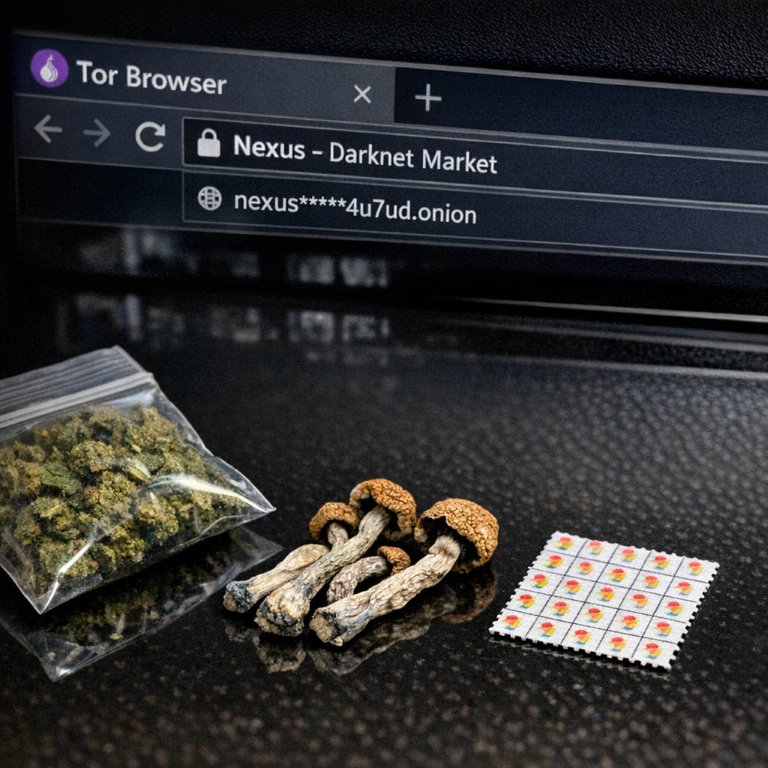
How Rating Systems Make Darknet Markets Safer
Vendor rating systems are the cornerstone of trust and quality assurance on darknet markets. These platforms operate without traditional legal safeguards, so they rely on transparent, community-driven feedback mechanisms to create a stable trading environment. A vendor's reputation, quantified through detailed reviews and a numerical score, becomes their most valuable asset, directly influencing their visibility and sales volume.
The typical system allows buyers to leave feedback on multiple aspects of a transaction. This includes the quality of the product relative to its description, the speed and stealth of shipping, and the vendor's communication. This data is aggregated into a public profile featuring a percentage-based trust score and a detailed transaction history. High scores and positive written reviews signal reliability, encouraging buyers to purchase with confidence. Conversely, consistent negative feedback quickly identifies and marginalizes dishonest or low-quality vendors, as the community self-regulates by avoiding them.
This creates a powerful economic incentive for vendors to maintain high standards. To build and protect their reputation, vendors consistently provide accurate product descriptions, high-purity substances, and professional service. The system effectively reduces fraud and misrepresentation. For the buyer, these reviews offer a practical risk assessment tool, transforming an anonymous marketplace into one where informed decisions can be made based on collective experience.
How Forums Make Drug Trade Safer in the Darknet
Community forums represent a critical layer of self-regulation and collective knowledge on darknet markets. These platforms function as independent discussion boards where users exchange detailed information that directly enhances transactional safety and market integrity. The forums are not auxiliary features but are fundamental to the operational security and trust mechanisms of the ecosystem.
Participants use these spaces to share field reports on specific drug batches, providing analytical data on purity and accurate substance identification. This peer-reviewed information allows buyers to make informed decisions, creating a form of crowdsourced quality control that supplements vendor rating systems. New users receive practical guidance on operational security, proper encryption tools, and safe shipping practices from experienced members, effectively decentralizing the education process.
The forums also serve as a dispute resolution arena outside the official escrow system. Buyers can post evidence of non-delivery or product misrepresentation, prompting community scrutiny and public pressure that often leads to vendor compliance. This transparent accountability mechanism protects individual users and upholds market-wide standards. Persistent scams or exit scams are documented in dedicated threads, creating a lasting, searchable record that warns the entire community and marginalizes malicious actors.
This continuous cycle of advice sharing, evidence posting, and collective verification fosters a resilient environment. The community effectively polices itself, reducing the need for centralized authority and creating a self-sustaining system where shared knowledge and transparency are the primary defenses against risk, directly contributing to the stability and perceived safety of the trading environment.
How Layered Encryption Protects Your Privacy on Darknet Markets
The operational security of darknet markets is fundamentally dependent on a layered encryption model. This architecture begins with the Tor network itself, which acts as the first and most critical privacy layer. Tor encrypts and routes a user's connection through multiple volunteer-operated servers, obscuring the original IP address and making traffic extremely difficult to trace back to its source. Access to the market is only possible through a specialized .onion address, which is not indexed by conventional search engines and exists solely within this encrypted network.
Once connected to the platform, additional cryptographic protocols are employed. All communications between users, including buyers and vendors, are protected by end-to-end encryption, often using the PGP standard. This ensures that private messages, which contain sensitive details like shipping addresses, are only readable by the intended recipient. The market's internal infrastructure also utilizes strong encryption to protect stored data, such as vendor ratings and finalized transaction details, from potential breaches.
The combination of these layers creates a robust system for identity protection. A typical user's journey involves:
- Connecting through Tor to mask their network location.
- Accessing the market via its unique, hidden onion address.
- Using encrypted communications for all interactions.
- Transacting with cryptocurrency, which adds a financial privacy layer.
How Darknet Markets Stay Open for Business
The resilience of darknet markets is a direct result of their decentralized and layered architecture. This structure is not centralized on a single server but is distributed across a network of hidden servers, known as onion services, accessible only through the Tor browser. This design makes the entire system highly resistant to shutdown attempts, as there is no single point of failure for law enforcement to target. If one node or server is compromised, the network can reroute traffic and maintain operations through others.
This resilience is further reinforced by the integration of core functionalities that support safe trade. The use of cryptocurrencies like Bitcoin and Monero provides a financial layer that is pseudonymous and operates outside traditional banking systems. Transactions are secured through a mandatory multisignature escrow system. In this system, the buyer's funds are held in a secure, third-party wallet until the product is received and confirmed. This mechanism effectively eliminates the risk of fraud for both parties, as the vendor cannot access the payment without delivery, and the buyer cannot reclaim funds after receiving the goods.
Trust and quality are systematically managed through transparent vendor rating and review systems. Every transaction concludes with detailed feedback on product quality, shipping speed, and communication. This creates a self-regulating ecosystem where high-quality vendors thrive based on their reputation, while unreliable sellers are quickly identified and marginalized by the community. This feedback loop, visible to all users, replaces the need for external regulation with a robust internal reputation-based economy.
Operational security is paramount and is achieved through layered encryption and operational security (OpSec) practices mandated by the platform and its community. All communications are PGP-encrypted, and user identities are hidden behind multiple layers of routing. Community forums provide continuous education on safe practices, from secure packaging to digital hygiene, ensuring that both buyers and vendors can participate with a minimized risk of exposure. The combination of these technical, financial, and social systems creates a durable environment where private commerce can proceed smoothly and sustainably.
How Darknet Markets Work Reliably
The operational smoothness of darknet markets is a direct result of integrated systems that automate trust and security. These platforms function like specialized e-commerce sites, with a core architecture built on cryptocurrency payments, escrow services, and vendor rating systems. When a buyer selects a product, the cryptocurrency is not sent directly to the vendor. Instead, it is held in a secured multisignature escrow by the market software. This neutral holding mechanism ensures the vendor ships the product and the buyer receives it before funds are released.
This process is reinforced by transparent feedback loops. After a transaction, buyers leave detailed reviews on product quality and shipping. These vendor reviews create a persistent reputation score, allowing reliable sellers to thrive and pushing low-quality vendors out of the marketplace. The community further polices itself through dedicated forums where users share experiences and warn others about scams.
Technical infrastructure ensures this all happens privately. Access via .onion addresses using the Tor browser provides a foundational layer of anonymity. All communications, from order placement to dispute resolution, are protected by end-to-end encryption. This combination of automated financial security, community-driven reputation, and layered encryption creates a resilient environment where private trade can operate with a high degree of reliability and discretion.