Darknet Markets 2026:
The dark web is part of the deep web but is built on darknets: overlay networks that sit on the internet but which can't be accessed without special tools or software like Tor. Tor is an anonymizing software tool that stands for The Onion Router — you can use the Tor network via Tor Browser.
| Darknet Market | Established | Total Listings | Link |
|---|---|---|---|
| TorZon Market | 2022 | 140+ | Onion Link |
| Nexus Market | 2024 | 600+ | Onion Link |
| Abacus Market | 2022 | 100+ | Onion Link |
| Ares | 2026 | 100+ | Onion Link |
| Cocorico | 2023 | 110+ | Onion Link |
Updated 2026-07-28
How Darknets Make Buying Drugs Easy and Safe
Darknet markets function as specialized e-commerce platforms that facilitate the exchange of goods and services with a primary focus on transactional and personal anonymity. These platforms leverage the Tor network or similar encrypted overlay networks to conceal the IP addresses and physical locations of both buyers and sellers. This architectural foundation creates a marketplace environment where participants can interact without revealing their real-world identities, a core feature that distinguishes these markets from conventional online retail.
The procurement of substances is streamlined through a secure, multi-step process. A buyer accesses the market via a Tor browser, selects a product from a vendor's listing, and completes the transaction using cryptocurrency, typically Bitcoin or Monero. The use of cryptocurrency is integral, as it provides a decentralized and pseudonymous payment method that complements the network-level privacy. Funds are commonly held in a market-operated escrow service until the buyer confirms receipt of the order, which significantly reduces the risk of fraud for the buyer.
Trust within this anonymous ecosystem is cultivated through transparent vendor rating systems. After each completed transaction, buyers can leave detailed feedback on product quality, shipping speed, and stealth of packaging. This creates a self-regulating reputation framework where vendors with consistently high ratings and positive reviews gain more visibility and business, while unreliable actors are marginalized. The cumulative data from these reviews provides prospective buyers with a reliable metric for assessing vendor credibility before making a purchase.
The convergence of these technologiesencrypted networks for anonymity, cryptocurrency for private payment, and reputation systems for trusthas established a robust model for peer-to-peer trade. This model demonstrates how digital privacy tools can be effectively synthesized to create a functional, user-driven marketplace that operates independently of traditional financial and logistical oversight.
How drug sales build the darknet's economy
The economic engine of the darknet is fundamentally powered by the trade in controlled substances. This commerce creates a self-sustaining ecosystem where cryptocurrency acts as the primary medium of exchange, providing a layer of financial anonymity that traditional markets cannot offer. Transactions are conducted directly between buyer and vendor, facilitated by the darknet's encrypted networks, which effectively separate a user's identity from their financial and purchasing activities.
The stability and growth of this market segment rely heavily on built-in mechanisms that replicate, and often improve upon, the trust structures of conventional e-commerce. Vendor rating systems are critical here. Buyers leave detailed feedback on product quality, shipping speed, and stealth of packaging, creating a transparent reputation framework. A vendor with hundreds of positive reviews becomes a trusted entity, significantly reducing the risk for the buyer. This peer-driven accountability is further reinforced by the widespread use of escrow services. Funds are held by the marketplace platform until the buyer confirms receipt of the order, protecting consumers from fraud and incentivizing vendors to fulfill their commitments reliably.
This environment has led to a professionalization of the trade. Successful vendors operate with a focus on customer service, product consistency, and operational security. The revenue generated from these sales circulates entirely within the digital underground, funding further innovation in encryption, marketplace security, and logistics. It creates demand for more sophisticated privacy tools and financial anonymization services, driving technological advancement in the field of digital privacy. The cycle is reinforcing: drug sales provide the capital that develops the platforms, which in turn facilitate more secure and efficient trade.
How Encrypted Networks Enable Private Shopping on the Darknet
The operational foundation of darknet markets is end-to-end encryption, primarily facilitated by networks like Tor (The Onion Router) and I2P. These systems route user traffic through multiple volunteer-operated servers, encrypting the data at each step. This process effectively anonymizes the user's location and activity, creating a private channel for accessing marketplaces. The encryption ensures that communications, including product listings and negotiations, are shielded from external surveillance, making the user's shopping session discreet.
This privacy is directly leveraged for secure commerce. Transactions are conducted using cryptocurrencies such as Bitcoin or Monero, which function on public ledgers but obscure the identities of the parties involved. When combined with the encrypted network, cryptocurrency payments complete a cycle of anonymity. The user's financial activity is decoupled from their real-world identity, allowing for a secure exchange of value without traditional banking oversight.
Trust within this anonymous environment is established not by personal identity but by cryptographic reputation systems. Markets implement vendor rating and review mechanisms where past buyers provide feedback on product quality and shipping reliability. This creates a transparent, community-driven accountability framework. For additional security, escrow services are standard. Funds are held by the market's automated system until the buyer confirms receipt of the order, which protects both parties from fraud and incentivizes honest trade.
The result is a robust ecosystem for peer-to-peer trade. The integration of encrypted networks, cryptocurrency, and reputation systems has standardized a model for anonymous shopping. This model demonstrates how digital privacy tools can facilitate a secure, self-regulating marketplace where user privacy is the central and non-negotiable feature of every transaction.

How Cryptocurrency Makes Darknet Shopping Safe and Easy
The operational backbone of darknet markets is cryptocurrency, primarily Bitcoin and Monero. These digital currencies enable a financial layer that is pseudonymous and decentralized, separating transactional identity from real-world identifiers. This mechanism provides a secure payment channel that aligns with the core requirement of anonymous trade.
Transactions are secured through a mandatory escrow system held by the market platform. Funds are released to the vendor only after the buyer confirms satisfactory receipt of the product. This structure significantly reduces fraud and builds essential trust in an environment without legal recourse. The system is reinforced by transparent vendor rating systems and detailed feedback, which create a self-regulating economy where reputation is paramount. Successful vendors accumulate high ratings and positive reviews, which directly correlate with sales volume and buyer confidence.
The integration of cryptocurrency with escrow and reputation systems facilitates a reliable peer-to-peer trade framework. This model has demonstrably supported the growth of the darknet economy by offering consumers a consistent and secure method for anonymous shopping. The technological stack of encrypted networks, cryptocurrency, and trust mechanisms represents a significant advancement in digital privacy for transactional purposes, providing a functional alternative for discreet commerce.
How Vendor Ratings Make Shopping on the Darknet Safer
The foundation of a functional darknet market is trust between anonymous parties. This is achieved through transparent vendor rating and review systems, which act as a decentralized form of quality control and reputation management. When a buyer receives a product, they leave detailed feedback on the vendor's page, commenting on the product quality, shipping speed, stealth of packaging, and communication.
This creates a self-regulating environment where vendors are financially incentivized to maintain high standards. A vendor with thousands of positive reviews and a high rating becomes a trusted entity, allowing buyers to shop with significantly reduced risk. The system mirrors the feedback mechanisms of mainstream e-commerce platforms but is adapted for complete anonymity. Transactions are secured by cryptocurrency payments and often protected by escrow services, which hold funds until the buyer confirms satisfactory receipt of the goods. This combination of technological safeguards and community-driven reputation creates a reliable framework for secure, anonymous shopping.
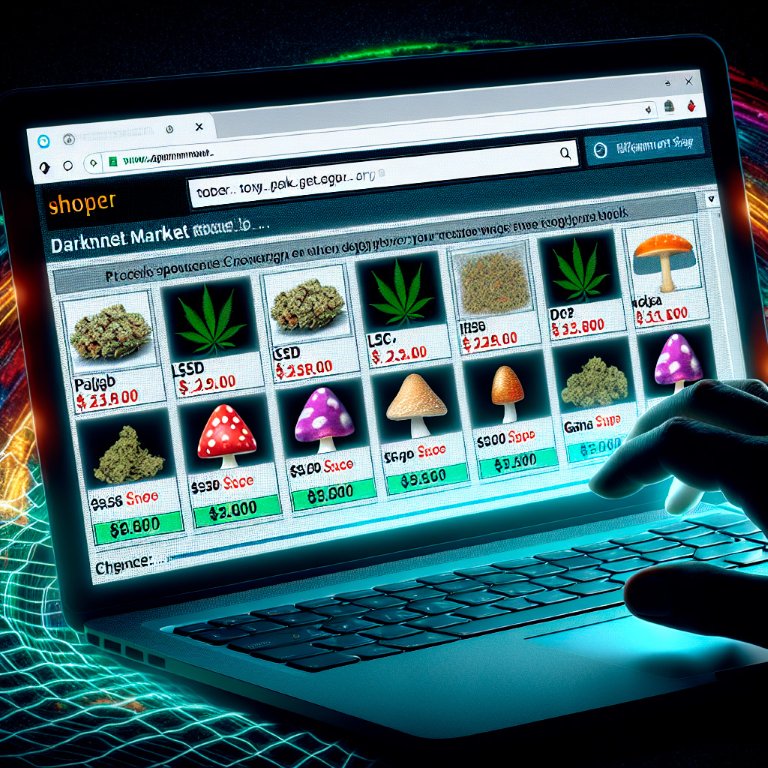
How Escrow Makes Darknet Shopping Safer
Escrow services are a fundamental component that enables secure transactions on darknet markets. They function as a neutral third party, holding the buyer's cryptocurrency payment until the ordered goods are received and confirmed. This mechanism directly addresses the inherent trust deficit in anonymous environments, creating a safer framework for commerce.
The process is automated and integrated into the platform's architecture. When a purchase is made, funds are locked in escrow and are not immediately released to the vendor. Only after the buyer confirms satisfactory delivery does the system transfer the payment. This incentivizes vendors to maintain high operational standards, as their revenue is contingent upon successful fulfillment. If a dispute arises, such as non-delivery or substandard product, the market's administration can arbitrate and potentially refund the buyer, a process far more reliable than unmediated peer-to-peer deals.
The effectiveness of escrow is amplified by its synergy with other platform features. A vendor's positive review history reduces perceived risk, but escrow provides a concrete safety net for new transactions and untested vendors. It transforms cryptocurrency from a simple payment method into a tool for enforcing agreements without revealing identities. Consequently, escrow services have become a non-negotiable expectation for users, elevating the entire darknet economy from a risky barter system to a more predictable and secure marketplace for anonymous shopping.
How the Darknet Makes Drug Trade Safe and Easy
The expansion of peer-to-peer trade on the darknet is fundamentally linked to the platform's core architectural features, which collectively create a resilient and user-centric marketplace. This model eliminates traditional intermediaries, allowing direct transactions between buyers and sellers. The foundation of this system is cryptocurrency, primarily Bitcoin and Monero, which provides a layer of financial anonymity by obscuring transaction trails that are typically visible in conventional banking. This financial privacy is a primary driver for market participation.
Operational security and trust are established through two parallel mechanisms. First, encrypted networks, specifically Tor and I2P, protect user identities and activities by routing traffic through multiple layers of encryption. Second, community-driven vendor rating systems function as a decentralized reputation framework. Potential buyers consistently review a vendor's product quality, shipping reliability, and communication, creating a transparent feedback loop that incentivizes honest business practices. This peer validation reduces the perceived risk associated with anonymous transactions.
To further mitigate transactional risk, most darknet markets integrate escrow services. Funds are held by the platform's escrow system until the buyer confirms receipt and satisfaction with the product, only then releasing payment to the vendor. This mechanism protects both parties from fraud. The convergence of these elementsfinancial anonymity, network-level privacy, crowd-sourced reputation, and secured paymentshas catalyzed the growth of a self-regulating darknet economy. This ecosystem demonstrates how technological solutions can facilitate secure, anonymous commerce outside traditional regulatory frameworks, meeting a clear demand for discreet transactions.
How Darknet Markets Make Shopping Secure and Private
Darknet markets have engineered a robust ecosystem for secure and anonymous commerce, fundamentally transforming access to goods. The core mechanism enabling this is the use of cryptocurrencies like Bitcoin and Monero. These digital currencies facilitate transactions without linking financial identities to purchases, as they operate on decentralized networks. This financial privacy is a foundational pillar, separating traditional electronic payments from the pseudonymous economic activity on the darknet.
The architecture of trust within these markets is built upon transparent, user-driven feedback systems. Every vendor maintains a public reputation score and detailed review history. This creates a self-regulating environment where quality and reliability are paramount for commercial survival. Buyers meticulously document their experiences with product purity, shipping speed, and stealth, providing future customers with critical, crowd-sourced verification. This peer-review model effectively reduces fraud and establishes predictable transaction outcomes.
Further security is institutionalized through mandatory escrow services held by the market platform. Funds are only released to the vendor after the buyer confirms satisfactory receipt of the goods. This system neutralizes the risk of payment without delivery or delivery without payment, enforcing a secure contract between anonymous parties. The integration of these componentscryptocurrency for anonymous payment, vendor reviews for quality assurance, and escrow for transactional safetycreates a complete framework for secure anonymous shopping. This framework demonstrates a significant advancement in applying cryptographic tools and peer-to-peer trust models to facilitate private digital trade.